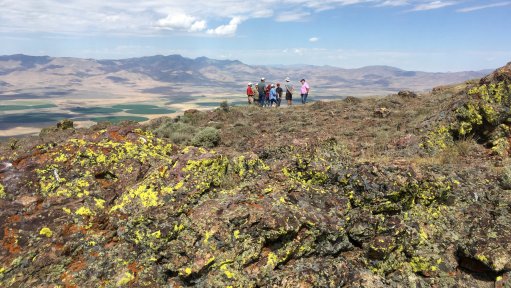


Australia’s wealthiest woman, Gina Rinehart, continues to bolster her global mining footprint with a strategic investment in a copper and gold project in Ecuador. Hancock Prospecting has entered into an agreement with Titan Minerals, paving the...
Latest
Most Read
Receive our free daily newsletter:
Sponsored Posts


Latest News
Toronto-listed Solaris Resources and the Shuar communities of Warints and Yawi have signed an updated impact and benefits agreement (IBA), reflecting the evolving growth and development of the...
Police have named Air Canada employees among the suspects in the theft of 6 600 gold bars from a cargo facility at the country’s busiest airport, in what’s been dubbed Canada’s largest-ever gold...
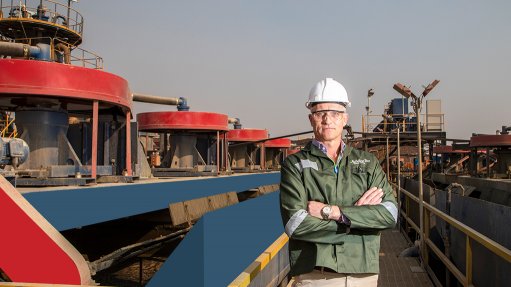
Aim- and ASX-listed Jubilee Metals has achieved record production levels at its South African chrome operations, both on monthly output for March and for the quarter ended March 31 – which is the...
JSE- and ASX-listed Orion Minerals has requested an immediate trading halt to be placed on its securities, pending the release of an announcement in relation to exploration results at its Okiep...
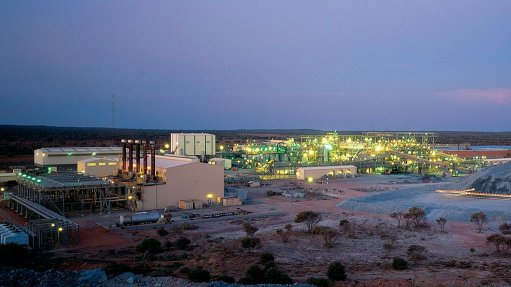
Diversified mining company BHP is nearing a decision regarding its nickel operations in Western Australia. The company, which has been conducting a review of these assets since February, is...
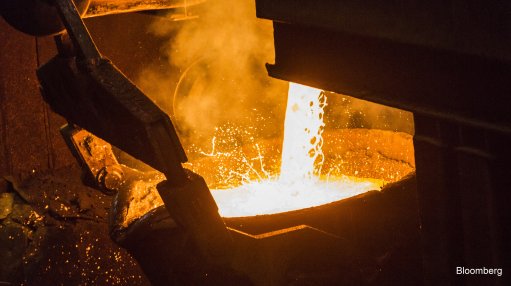
Aurubis, Europe's largest copper producer, plans to eschew large acquisitions and instead build a network of recycling facilities across the globe as part of its focus on organic growth, its CEO...
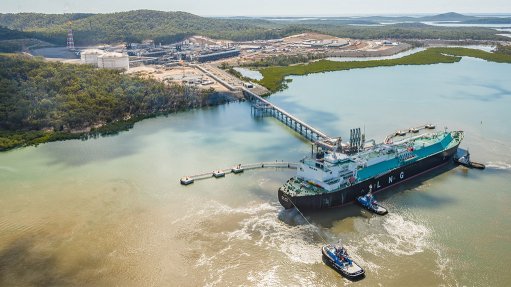
Australian oil and gas producer Santos said on Thursday its first-quarter revenue fell about 14%, hurt by lower production across its product portfolio and a decline in volumes in recent months....
Sponsored Posts
Latest News

African technology innovator Sedna Industrial IT Solutions has partnered with video networking and visual collaboration solutions provider Haivision to bring industrial and mining command control...
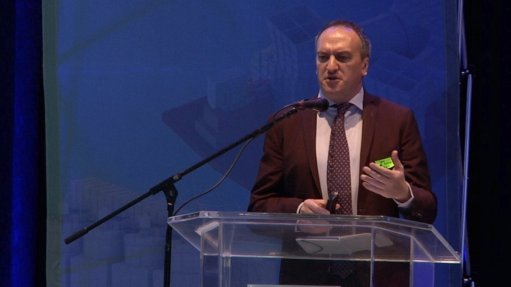
Standard Bank head of Southern Africa’s oil and gas coverage Paul Eardley-Taylor has suggested that South Africa needs 13 GW of gas-to-power (GtP) capacity, rather than the 7.2 GW to 8.6 GW...

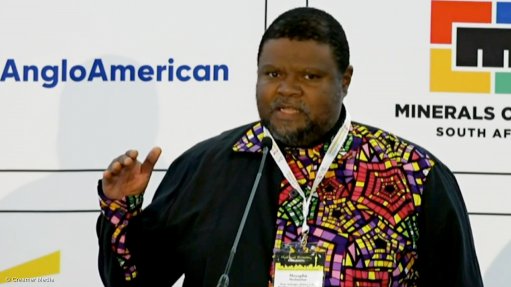
Minerals Council South Africa is focused on increasing the domestic demand for green hydrogen, which it sees as contributing to the kickstarting of the hydrogen economy in South Africa. “The...
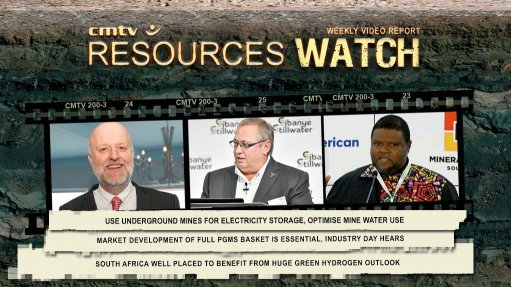
This week: Use underground mines for electricity storage, optimise mine water use; Market development of full PGMs basket is essential, Industry Day hears, and, South Africa well placed to benefit...
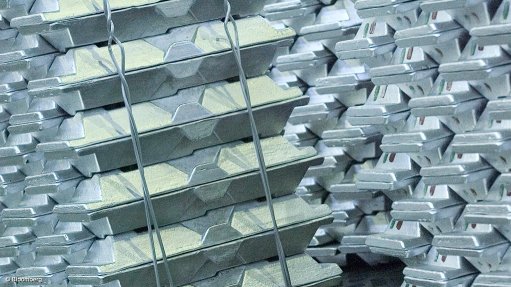
Mining and trading house Glencore aims to take thousands of metric tons of Russian aluminium from the London Metal Exchange (LME) and return it at a later date to profit from rule changes, three...
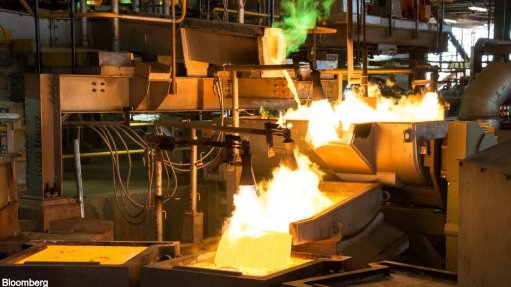
Zambia’s State power utility has served notices of force majeure on supply of electricity to some mines, according to an industry association, threatening additional pressure on a copper market...
ASX-listed unhedged gold mining company West African Resources has reported high-grade gold mineralisation from recent infill underground diamond drilling within the main lode at the M1 South (M1S)...
Sponsored Posts

Latest News
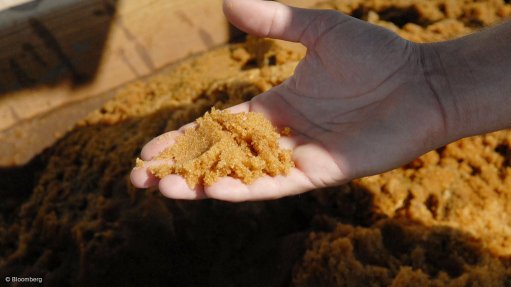
ASX-listed Lotus Resources has developed a detailed initial programme of work to maximise the potential of its Letlhakane uranium project, in Botswana. The company is working to update the...
AQSE-listed Marula Mining is progressing mining and processing activities at the Larisoro manganese mine, located in Samburu County, in northern Kenya. As announced last month, the company has...
Australia-headquartered Orion Minerals has made progress with acquiring a controlling interest in the Okiep copper project, in South Africa’s Northern Cape province. Orion and other relevant...
Project developer Western Copper and Gold has upsized its bought-deal public offering to fund permitting and engineering work at its Casino project, in Yukon, to $40-million. The TSX- and NYSE...
NYSE- and TSX-listed McEwen Mining has announced the acquisition of TSX-V-listed Timberline Resources, a move that will bolster its presence in Nevada’s mining sector. Under the terms of the...
Coal miner Peabody is developing a 130-million-ton, 25-year-plus mine plan for the Centurion complex, in the Bowen basin of Queensland. The mine plan incorporates the newly acquired Wards Well...

Diamond miner De Beers says it generated about $445-million in revenue from its third sales cycle for this year. The figure represents the expected sales value from the company’s latest global...
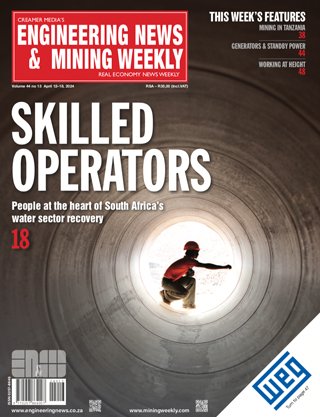

A video round up of this week’s magazine, highlighting our cover story, features and Business Leader.
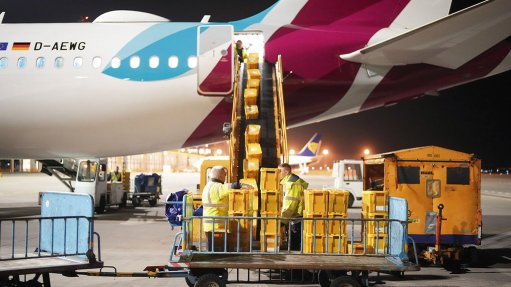
Deutsche Post’s last night flights transporting mail between northern and southern Germany took place in the early hours of March 28, ending a near 63-year airmail service that had operated since...
- Engineering News Features
- Generators & Standby Power
- Working at Height
- Mining Weekly Features
- Manganese
- Mining in Tanzania
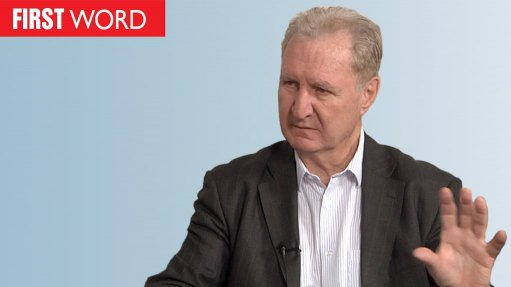
Gauteng’s Far West Rand mining-linked area has always had excellent agricultural potential. In fact, the area had all the makings of a colossal market garden had early mining not dewatered the...
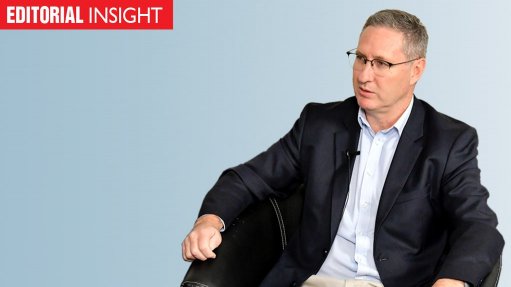
It is estimated that about 2.5 GW of rooftop solar was installed across South Africa last year; a trend that was expected to continue at the start of this year given that some 5 GW of solar panels...
Business Leader
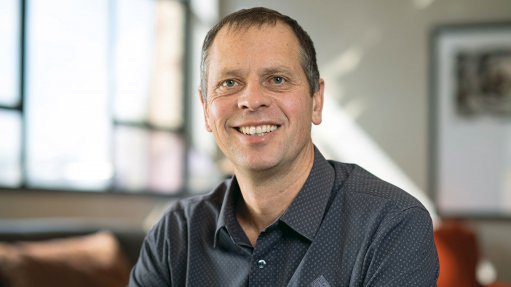
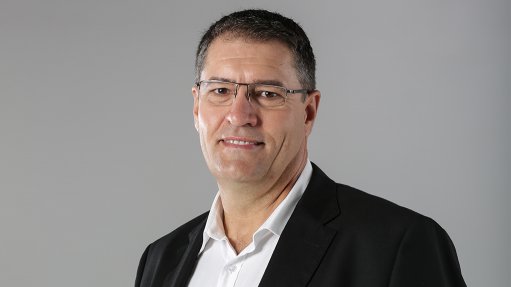
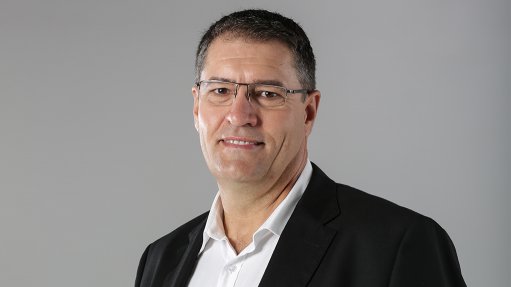
This week we profile Renier van Rooyen, group business systems executive at Multotec, a supplier of mineral processing equipment

While voters will receive three quite different looking ballots on May 29, this seeming increase in choice is not necessarily translating into greater excitement. Yes, some independents will...
Popular This Week

Latest Multimedia
Research Reports
Projects
Showroom
Press Office
Announcements
What's On
Subscribe to improve your user experience...
Option 1 (equivalent of R125 a month):
Receive a weekly copy of Creamer Media's Engineering News & Mining Weekly magazine
(print copy for those in South Africa and e-magazine for those outside of South Africa)
Receive daily email newsletters
Access to full search results
Access archive of magazine back copies
Access to Projects in Progress
Access to ONE Research Report of your choice in PDF format
Option 2 (equivalent of R375 a month):
All benefits from Option 1
PLUS
Access to Creamer Media's Research Channel Africa for ALL Research Reports, in PDF format, on various industrial and mining sectors
including Electricity; Water; Energy Transition; Hydrogen; Roads, Rail and Ports; Coal; Gold; Platinum; Battery Metals; etc.
Already a subscriber?
Forgotten your password?
Receive weekly copy of Creamer Media's Engineering News & Mining Weekly magazine (print copy for those in South Africa and e-magazine for those outside of South Africa)
➕
Recieve daily email newsletters
➕
Access to full search results
➕
Access archive of magazine back copies
➕
Access to Projects in Progress
➕
Access to ONE Research Report of your choice in PDF format
RESEARCH CHANNEL AFRICA
R4500 (equivalent of R375 a month)
SUBSCRIBEAll benefits from Option 1
➕
Access to Creamer Media's Research Channel Africa for ALL Research Reports on various industrial and mining sectors, in PDF format, including on:
Electricity
➕
Water
➕
Energy Transition
➕
Hydrogen
➕
Roads, Rail and Ports
➕
Coal
➕
Gold
➕
Platinum
➕
Battery Metals
➕
etc.
Receive all benefits from Option 1 or Option 2 delivered to numerous people at your company
➕
Multiple User names and Passwords for simultaneous log-ins
➕
Intranet integration access to all in your organisation